
"coffee export grades"
6000 article(s) found

Ethiopian Coffee Bean grading Standard-explanation of Ethiopian Coffee Bean Export auction process
Professional coffee knowledge exchange more coffee bean information Please follow the coffee workshop (Wechat official account cafe_style) the evaluation criteria of Ethiopian coffee beans were formulated with the assistance of the American Fine Coffee Association (SCAA) (why can't Ethiopia, as the home country of coffee, be independent? Yeah! Think about it)-Egypt fully implemented the central auction system in 2008.

General knowledge of coffee bean grading A brief introduction to the grading system of coffee beans in Ethiopia
In this age of flamboyant clothes, beautiful masks and expensive silicone, Egyptian beans are obviously not the kind of people who can't resist your appearance. The long and thin bean shape, coupled with its uneven size, always feels a little born with stunting. Fortunately, God is fair, and the Egyptian beans without outstanding appearance have rich connotations (so do many ugly people.
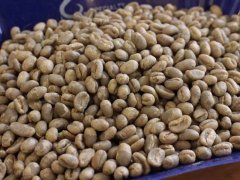
A brief introduction to the grading system of coffee beans in Ethiopia
In this age of flamboyant clothes, beautiful masks and expensive silicone, Egyptian beans are obviously not the kind of people who can't resist your appearance. The long and thin bean shape, coupled with its uneven size, always feels a little born with stunting. Fortunately, God is also fair. Egypt beans, which have no outstanding appearance, have rich connotations (so do many ugly people.

A brief introduction to the grading system of coffee beans in Ethiopia
In this age of flamboyant clothes, beautiful masks and expensive silicone, Egyptian beans are obviously not the kind of people who can't resist your appearance. The long and thin bean shape, coupled with its uneven size, always feels a little born with stunting. Fortunately, God is fair, and the Egyptian beans without outstanding appearance have rich connotations (so do many ugly people.
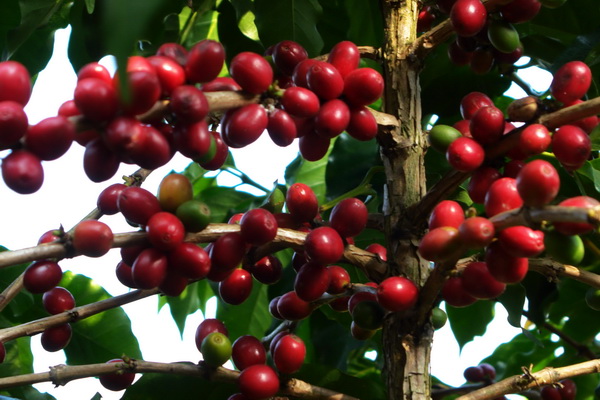
African flavor Ethiopian grade G1G2 G3 boutique coffee beans
Pre-auction process 1) farmers pick fresh coffee fruits; 2) farmers transport fresh fruits to rural cooperatives; 3) cooperatives sell fresh fruits to middlemen; 4) middlemen collect and transport fresh fruits to processing plants (washing or tanning process); 5) middlemen transport processed beans (with shell beans, Parchment Coffee) to auction houses to establish warehouses; 6) auction houses give official evaluation (
The grade of caffeine in Ethiopia
Following Cafe (official Wechat account vdailycom) found that Beautiful Cafe opened a small shop of its own background Ethiopia's coffee bean grading standards are supported by the American Professional Coffee Association. But remember, Ethiopia is a coffee producer, so why can't Ethiopia set its own standards?-in 2008, Ethiopia held a formal coffee trading center.
Basic knowledge of coffee beans the grading system of Ethiopian coffee beans
In this age of flamboyant clothes, beautiful masks and expensive silicone, Egyptian beans are obviously not the kind of people who can't resist your appearance. The long and thin bean shape, coupled with its uneven size, always feels a little born with stunting. Fortunately, God is fair, and the Egyptian beans without outstanding appearance have rich connotations (so do many ugly people.
A brief introduction to the grading system of coffee beans in Ethiopia
The evaluation criteria of Egyptian beans were developed with the assistance of the American Fine Coffee Association (SCAA). (why can't Egypt, as the home country of coffee, formulate it independently? Yeah! Think about it)-Egypt fully implemented a central auction system in 2008 (used to be purchased by exporters)-briefly talk about some pre-auction processes. 1) Farmers pick fresh coffee fruit; 2) Farmers take fresh coffee

Ethiopian Coffee Bean Grades Flavors Introduction
In Ethiopia, coffee classification and quality control systems are divided into producer, regional and national levels. All coffees are inspected by local inspection agencies before they leave the country of origin, and then re-inspected at coffee inspection and grading centres in Addis and Diredova to determine their quality grade. Coffee is graded prior to auction and sale, and all participants in production,

Video of grading milking of Ethiopian coffee
In Ethiopia, the grading and quality control system of coffee is divided into three levels: producer, regional and national. All coffee is inspected by local inspection agencies before leaving the country of origin, and then re-tested at the coffee inspection and grading centers in Addis and Diredawa to determine its quality grade. Coffee is graded before auction and sale, for all involved in production,

Coffee bean classification Yega Xuefei grade classification
Egyptian beans are named after places of origin and are usually named after provinces. This is a bit like the Bordeaux region of French red wine. Which producing areas are clear to everyone. Note: Chevy is a small producing area in Sidamo Province. Because of its unique flavor, it can become an independent brand. This naming method is very different from that of other African countries (including the hierarchical naming described below), which you often see.

Ethiopian Coffee Manor Flavor Description Grindness Taste Characteristics Boutique Coffee Introduction
Ethiopian coffee grade: Ethiopian washed coffee Yirgacheffe G1 G2 Sidamo (Yirgacheffe, Sidamo) the highest grade is second and third grade (G2, G3), the eastern part of Ethiopia sun processing coffee is mostly fourth or fifth grade (G4, G5). In many cases, fourth-grade coffee is labeled as five-grade in order to reduce taxes. The current classification is not very uniform, there are

Egyptian beans are named according to origin, coffee beans are classified according to grades, raw beans, coffee beans.
Egyptian beans are named after places of origin and are usually named after provinces. This is a bit like the Bordeaux region of French red wine. Which producing areas are clear to everyone. Note: Chevy is a small producing area in Sidamo Province. Because of its unique flavor, it can become an independent brand. This naming method is very different from that of other African countries (including the hierarchical naming described below), which you often see.

Introduction to the grading of Ethiopian Coffee
Sun-cured coffee accounts for 65% of exports. Mainly picked by families, red coffee beans are placed on cement floors or on high tables to dry to about 11.5% humidity, then peeled and cleaned. Coffee grading and quality control system in Ethiopia, coffee grading and quality control system is divided into three levels: producer, regional and national. All coffee is required before leaving the country of origin.

Ethiopia, the largest producer of coffee in Africa.
Coffee grading and quality control system in Ethiopia, coffee grading and quality control system is divided into three levels: producer, regional and national. All coffee is inspected by local inspection agencies before leaving the country of origin, and then re-tested at the coffee inspection and grading centers in Addis and Diredawa to determine its quality grade. Coffee is graded before auction and sale

Export of Yerqin Coffee from Ethiopia Coffee Manor
In Ethiopia, the grading and quality control system of coffee is divided into three levels: producer, regional and national. All coffee is inspected by local inspection agencies before leaving the country of origin, and then re-tested at the coffee inspection and grading centers in Addis and Diredawa to determine its quality grade. Coffee is graded before auction and sale, for all involved in production, acquisition,
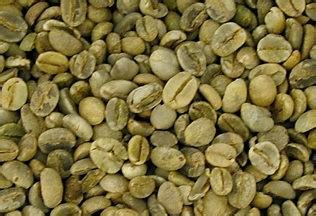
Which countries are mainly exported to the graded production areas of Ethiopian coffee beans
Coffee is Ethiopia's most important export cash crop and the main source of Ethiopia's foreign exchange earnings. Ethiopia's coffee exports account for about 3% of the world market, making it the eighth largest coffee exporter in the world. Coffee exports increased steadily from 58000 tons in 1990 to 110000 tons in 1995-1996 and remained at this level in the following years. 2001-2002

Ethiopian coffee beans
General requirements: The moisture content of sun-dried coffee beans should not exceed 11.5% by weight, and at least 85% of the beans remain above 14 mesh after sifting. (This is why Egyptian beans don't look good: 14 + means 14, 15, 16, 17, 18, etc. mixed together, beans must be uneven) Parchment Coffee Grades: 1, 2, 3, 4, 5, 6, 7, 8, 9

Introduction to Colombian Coffee Export
German imports account for 25 per cent of Colombia's total exports, reflecting the country's excellent quality. The coffee grade is divided into top grade (Supremo), excellent grade (Excelso) and top grade (UGQ, Unusual Good Quality). Klauss coffee in the excellent grade is exported to Germany and Europa coffee is exported to Nordic countries. In most coffee

Ethiopian Coffee Export Ethiopia Coffee grading system
For more information on coffee beans, please follow Coffee Workshop (official Wechat account cafe_style) [Export of Ethiopian Coffee] according to Ethiopian decree, there are three coffee export systems: (1) the largest privately owned processing plant system for export through ECX bidding, (2) cooperative system, and (3) single farm system. In these three systems, cooperatives